 Special Session 7
Design and Advanced Drive Control of Special Electric Machine System
专题七:特种电机设计与先进驱动控制
Organizers:
Ping Lin, Dalian University of Technology, China;
Haiyang Cao, Ningbo Institute of Materials Technology and Engineering, CAS, Ningbo, China;
Yiming Shen, Ningbo Institute of Materials Technology and Engineering, CAS, Ningbo, China;
Haotian Xie, Quanzhou Institute of Equipment Manufacturing, Haixi Institutes, CAS, China;
Na Sang, Ningbo Institute of Materials Technology and Engineering, CAS & Zhejiang Fashion Institute of Technology, China
Submit your paper via https://easychair.org/conferences/?conf=apet2026, and choose Special Session 7 option.
Special electric machine systems are increasingly required to deliver high power density, high efficiency, precise motion, and reliable operation in advanced equipment, precision manufacturing, robotics, and specialized applications. Meeting these requirements calls for close integration of machine design and drive control. This special session focuses on novel machine topologies, electromagnetic design, multiphysics analysis, and advanced drive control for rotary, linear, and multi-degree-of-freedom machines. Particular attention is given to structural and parameter optimization, loss and thermal analysis, torque and thrust ripple suppression, high-dynamic-performance servo control, sensorless control, and fault diagnosis and fault-tolerant operation. Original contributions on machine design, modeling, control, and experimental validation are welcome, with an emphasis on coordinated machine and control optimization for high-performance operation under challenging conditions.
Topics of interest for this special session include, but are not limited to:
- Novel topologies and electromagnetic design of special-purpose machines
- Multiphysics modeling and multi-objective optimization
- High-power-density design, loss analysis, and thermal management
- Torque and thrust ripple suppression and vibration control
- High-dynamic-performance servo and precision motion control
- Sensorless control and online parameter identification
- Fault diagnosis and fault-tolerant drive control
- Co-design and experimental validation of machines and drive control
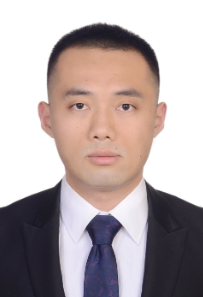 |
Ping Lin (IEEE Senior Member) was born in Chongqing, China, in 1991. He received the Ph.D. degree in navigation guidance and control from the School of Control Science and Engineering, Dalian University of Technology, Dalian, China, in 2021. From 2022 to 2024, he was working as a Postdoctoral Researcher with the Dalian University of Technology. He is currently an Associate Professor with the School of Control Science and Engineering, Dalian University of Technology, Dalian, China, since 2024. His research interests include nonlinear systems, active disturbance rejection control, and generator control systems. |
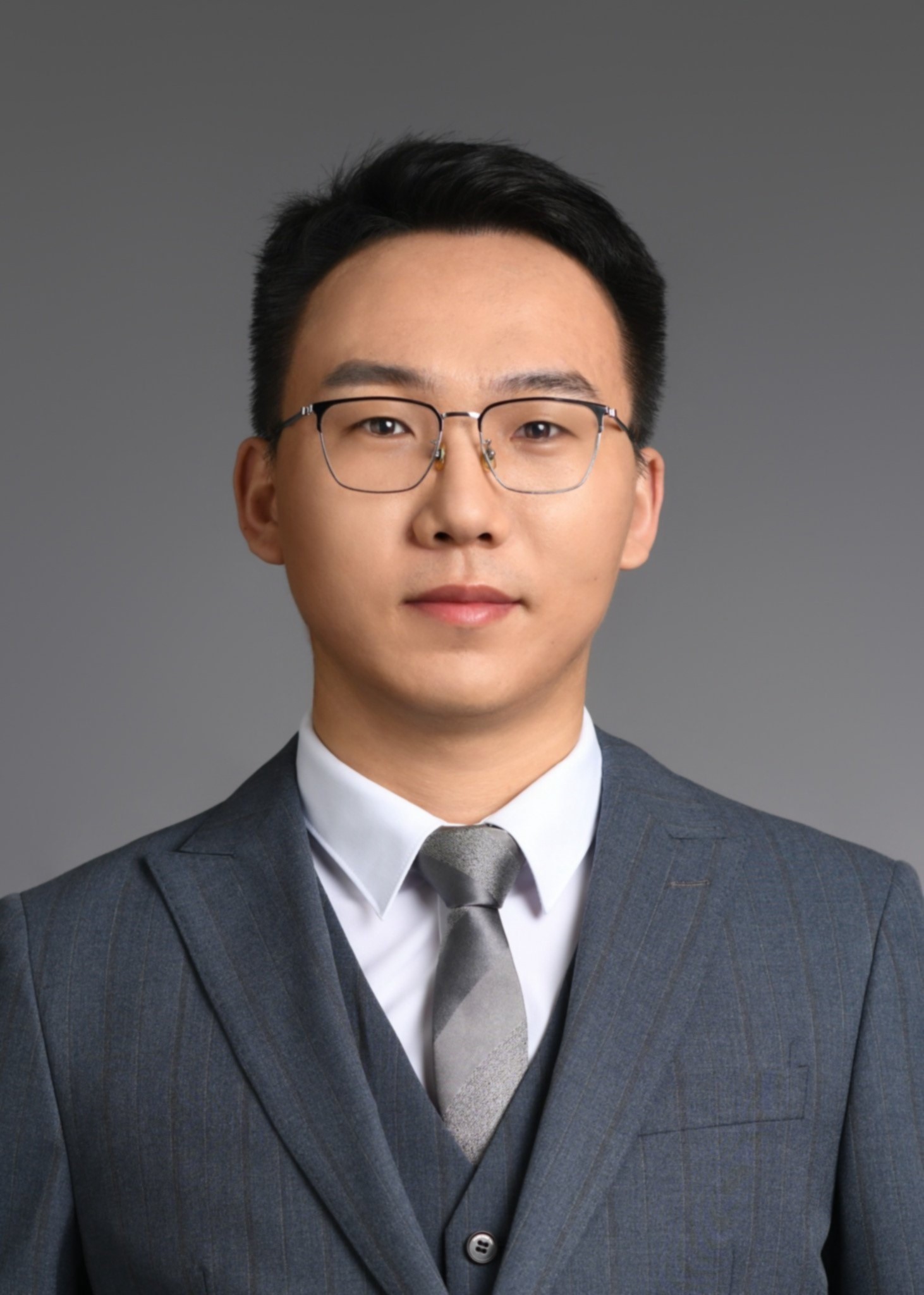 |
Haiyang Cao was born in Shandong, China, in 1997. He received the Ph.D. degree in mechatronic engineering from the University of Chinese Academy of Sciences, Beijing, China, and the Changchun Institute of Optics, Fine Mechanics and Physics, Chinese Academy of Sciences, Changchun, China, in 2025. From 2023 to 2024, he was a Visiting Researcher with the School of Electrical and Electronic Engineering, Nanyang Technological University, Singapore. |
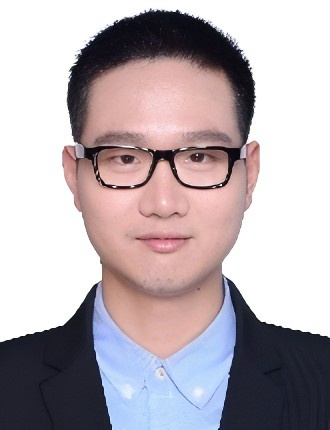 |
Yiming Shen obtained his B.Eng. and Ph.D. degrees in electrical engineering from the College of Electrical Engineering, Zhejiang University, Hangzhou, China, in 2015 and 2020, respectively. During 2018 to 2019, he was a joint Ph.D. student at The Hong Kong Polytechnic University, Hong Kong. |
 |
Haotian Xie (Senior Member, IEEE) was born in Jiangsu Province, China, in 1990. He received the B.S. and M.Sc degrees in electronic engineering from Nanjing University of Aeronautics and Astronautics, Nanjing, China, in 2013 and 2017, respectively. In 2023, he received Ph.D. degree (summa cum laude) in electrical engineering at the Chair of High-Power Converter Systems with the Department of Energy and Process Engineering at the Technical University of Munich (TUM), Munich, Germany. |
 |
Na Sang, born in 1996, received her Ph.D. degree in mechanical manufacturing and automation from the University of Chinese Academy of Sciences, China. She is currently a Postdoctoral Researcher with the Ningbo Institute of Materials Technology and Engineering, Chinese Academy of Sciences, and a Lecturer at Zhejiang Fashion Institute of Technology, Ningbo, China. Her research interests include vibration suppression of compliant mechanisms, long-stroke nanopositioning stages, and precision motion control. |